How to Stay Compassionate When Dementia Behaviors Feel Hurtful
Dec 04, 2025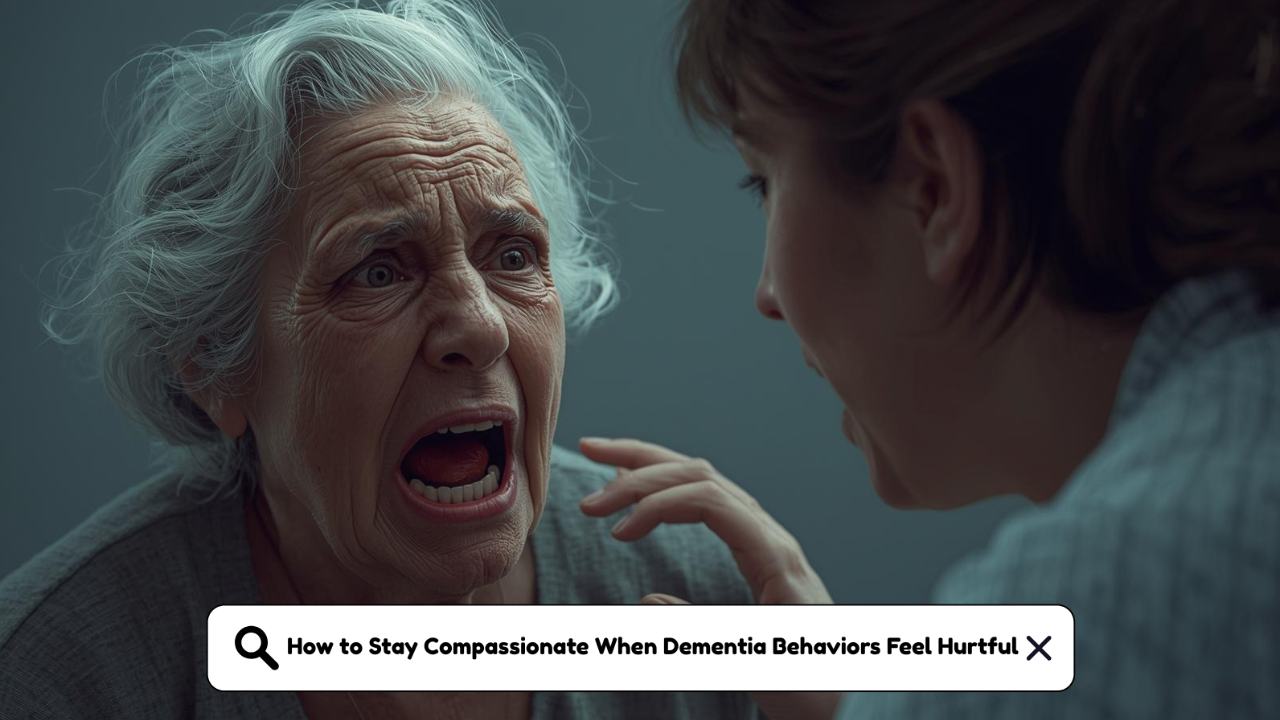
Caring for someone with dementia can be deeply rewarding, but it also comes with unique challenges. Behaviors that seem hurtful, angry, or mean can be difficult to handle. Understanding why these behaviors occur and learning strategies to respond with compassion can make the caregiving journey more manageable and fulfilling.
1. Understand Dementia Beyond Memory Loss
Dementia affects more than memory—it changes behavior, personality, and emotional responses. Recognizing that anger, irritability, or meanness are symptoms of the disease—not reflections of the person’s true character—helps care partners respond with patience instead of taking actions personally.
2. Acknowledge the Role of the Frontal Lobe
The frontal lobe controls impulses, judgment, and social behavior. As dementia progresses, this part of the brain weakens, which can result in behaviors that feel out of character or hurtful. Understanding this helps caregivers separate the disease from the individual and respond calmly.
3. Recognize an Overactive Alarm System
Dementia can make the brain’s alarm system hypersensitive, causing exaggerated emotional reactions or aggression. Viewing these behaviors as a neurological response rather than intentional actions allows caregivers to maintain empathy and reduce frustration.
4. Find Support in Community
Connecting with others who are facing similar caregiving challenges is invaluable. Sharing experiences, advice, and emotional support helps reduce isolation and provides practical strategies for managing difficult behaviors.
5. Shift Your Mindset About Hurtful Behavior
Seeing mean or aggressive behavior as a symptom of the disease, not a personal attack, can relieve guilt and resentment. This mindset shift allows care partners to approach each interaction with compassion and understanding.
By understanding dementia’s impact on behavior, seeking community support, and adjusting perspectives, caregivers can navigate challenging behaviors with patience and compassion—honoring their loved ones while also protecting their own well-being.
✨ If this post resonated with you, I’d love to stay connected.
Join other caregivers who receive my free weekly newsletter, The Confident Caregiver Weekly, for encouragement, expert insights, and tools to help you find balance while caring for your loved one.
Sign Up for The Confident Caregiver Weekly
Watch On YouTube
Want to watch the in-depth video that inspired this post?
Click the video below to watch. ↓
Caring is tough—but you don’t have to do it alone.
Get weekly encouragement, practical dementia care tips, and tools to make caregiving feel lighter.
Click below to get practical tools and advice sent straight to you.
We hate SPAM. We will never sell your information, for any reason.